2024 HSFC加拿大卒中最佳实践建议(第7版):脑静脉血栓形成(更新版)
发布日期:
2024-06-03
英文标题:
Canadian Stroke Best Practice Recommendations, 7th Edition: Cerebral Venous Thrombosis, 2024
制定者:
出处:
Can J Neurol Sci.2024 Jun 3:1-17.
AI大纲:
引言
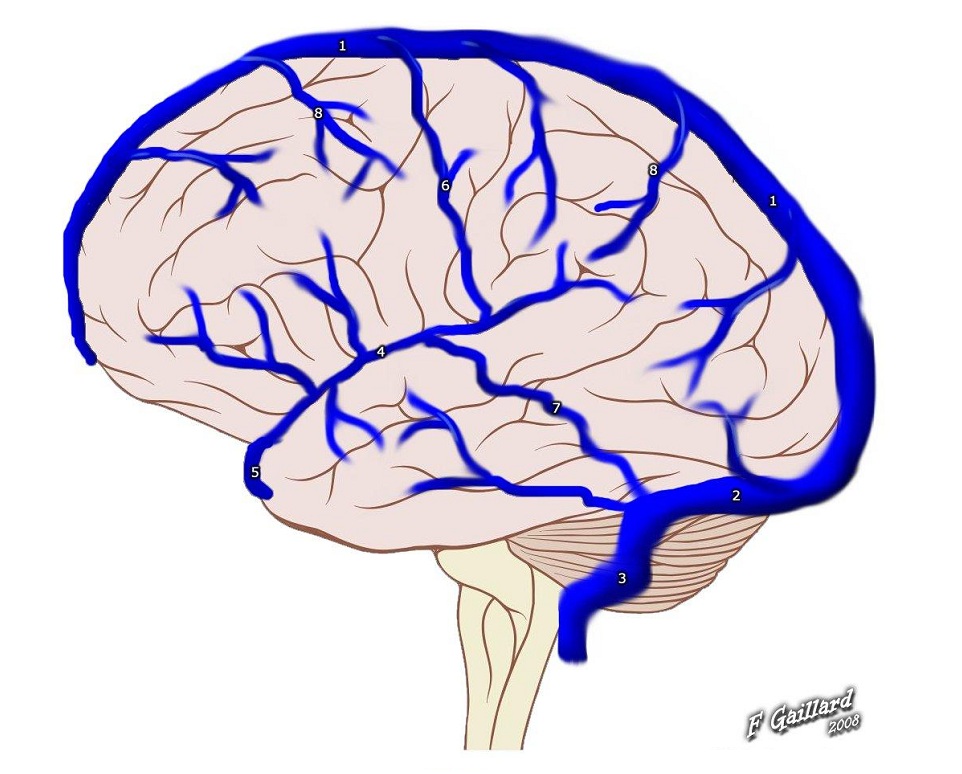
- CVT定义:大脑静脉血栓形成,包括硬脑膜静脉窦、皮质或深静脉血栓
- 发病率:占所有卒中入院的0.5 - 1.0%,约为每百万人10 - 20例,呈上升趋势
- 高危人群:女性,与口服避孕药、妊娠和产褥期有关
- 指南目标:为有症状的成年CVT患者提供循证护理建议,减少护理差异
有症状CVT的诊断和初始临床评估
证据总结
- 症状:头痛(87 - 89%)、癫痫发作(24 - 40%)、局灶性神经功能缺损(18 - 48%)等
- 风险因素:口服避孕药使用、妊娠和产褥期、遗传性易栓症等
- 诊断成像:CT静脉造影或MRI脑和MR静脉造影,DSA为参考标准
最佳实践建议
- 临床表征:提高对CVT作为鉴别诊断的认识,考虑症状和风险因素
- 初始临床评估:紧急进行神经影像学和临床评估,评估临床稳定性、癫痫发作和颅内压
- 诊断和其他检查
- 成像:进行实质和神经血管成像,推荐增强CT静脉造影或增强MR静脉造影,避免使用非增强CT和非增强TOF MR静脉造影
- 其他检查:不推荐D - 二聚体测量和常规腰椎穿刺,常规进行血液学、电解质等实验室检查
有症状CVT的急性治疗
证据总结
- 抗凝治疗:是主要治疗方法,LMWH优于UFH,DOACs证据不足
- 癫痫发作:发生率高,无发作时不推荐预防性抗癫痫治疗
- 头痛:常见症状,可能与颅内压升高有关,乙唑胺作用不明确
- 视力:颅内压升高可导致视力障碍,早期眼科评估重要
- 血管内治疗:作用不明确,实践差异大
最佳实践建议
- 卒中单元管理:住院患者接受常规卒中单元护理和支持性护理
- 抗栓管理
- 启动LMWH或UFH,LMWH首选,避免用于有HIT病史患者
- 不推荐常规使用DOACs,颅内或蛛网膜下腔出血不是抗凝禁忌,不推荐静脉溶栓
- 住院癫痫管理
- 无发作不使用预防性抗癫痫药物,急性发作和晚期发作按需治疗
- 癫痫持续状态按当地协议治疗,考虑脑电图排除非惊厥性癫痫或癫痫持续状态
- 急性头痛管理:早期抗凝可能有助于头痛管理,可使用乙唑胺,避免使用NSAIDs
- 视力:有视觉症状或颅内压升高迹象者紧急眼科评估
Management of Papilledema
- Acetazolamide
- Initiate with dose escalation
- Monitor risks (fluid loss, metabolic acidosis, hypokalemia)
- Counsel on paresthesia
- Surgical intervention
- Consider if worsening visual deficits or severe loss
- Shared decision with experts
Neurocritical Care Management for CVT
- Monitor for increased intracranial pressure
- Treat elevated ICP emergently
- Consider surgical/endovascular management if medical fails
Endovascular Management
- Not routine first-line
- Consider in specific cases
- Complement to anticoagulation
Surgical Management
- Decompressive hemicraniectomy for life-threatening cases
- Consider external ventricular drain
- Restart anticoagulation case-by-case
- Long-term management for elevated ICP
Post-Acute Management of CVT and Person-Centered Care
- Anticoagulation
- Vitamin K antagonists/DOACs suitable
- Vitamin K preferred for antiphospholipid syndrome
- Transition to oral anticoagulant
- Consider duration based on risk factors
- CVT Workup
- Assess for additional risk factors
- Ensure cancer screening
- Inherited Thrombophilia
- Limited data on risk
- Testing controversial
- Screen for specific deficiencies
- Antiphospholipid Antibody Syndrome
- Test for antibodies
- Follow specific testing criteria
- Routine Follow-up Vascular Neuroimaging
- Repeat within 3 - 6 months
- Consider modality and timing
- Management of Other Post-acute Sequelae
- Assess for mood, cognition, fatigue
- Early rehabilitation
- Treat mood disturbance
- Manage fatigue
- Screen for cognitive concerns
- Assess for return to work/school
- Assess for return to driving
- Advise on natural history and support groups
- Treat late seizures with ASM
- Manage epilepsy long-term
Special Considerations in the Long-term Management of Individuals with CVT
- CVT and Pregnancy
- History not contraindication
- Prophylactic anticoagulation during pregnancy/postpartum
- Anticoagulate during pregnancy
- Avoid DOACs/warfarin in pregnancy/breastfeeding
- Anticoagulation and heavy menstrual bleeding
- Counsel on possibility
- Refer to gynecology
- Consider OCP use
Considerations Related to CVT in Special Circumstances
- Trauma-Associated CVT
- Multidisciplinary management
- Assess need for anticoagulation
- Weigh benefits/risks
- Incidentally Diagnosed CVT
- Refer for assessments
- Consider anticoagulation case-by-case
- COVID-19-associated CVT
- Manage as other CVT cases
- Test for COVID-19
- Consider drug-drug interaction
- Vaccinations and Vaccine-induced Immune Thrombotic Thrombocytopenia (VITT) - Associated CVT
- History of CVT not contraindication to vaccination
- Consider VITT in specific context
- Follow diagnostic criteria
- Distinct management for VITT
- Seek expert consultation
挑战与未来方向
- 诊断挑战:疾病相对罕见,延迟诊断仍是难题
- 应对措施
- 提高一线医疗人员和公众教育,促进及时诊断和治疗
- 提供多学科专家支持,包括中风神经科、血栓科、眼科等,减少后遗症
- 对患者进行适当咨询和随访,关注癫痫、月经过多等并发症及非运动问题
- 知识差距
- 急性管理中血管内血栓切除术的作用
- 优化和个性化抗凝策略
- 不同人群(非欧洲白人、无症状患者)的风险和预后差异
- 解决途径:国际合作(患者、临床医生、研究人员和政策制定者)
指南总结
- 适用对象:加拿大成年脑静脉血栓形成患者
- 推荐特点:全面,涵盖症状发作到社区随访,融入患者体验、价值观和偏好
部分内容仅可在
临床指南app 查看下载
阅读免费指南
发送到邮箱
收藏
分享
评论
提交评论

1099138
2024.09.26
回复
概述挺好,快速了解要点,很省时间
/ 没有更多了 /
上传者信息

以斯帖
于2024-09-26上传
编者信息

加拿大心脏与卒中基金会
加拿大心脏与卒中基金会成立于1956年,基于自愿的医疗慈善机构,有超过13万志愿者。其通过前沿研究及其应用以及对健康生活的宣传,消除心脏疾病和中风,减少其影响。



置顶